Coffee & Tea Facility Epoxy Floor Coating Case Study
Food Grade Epoxy Floor Repair Overview
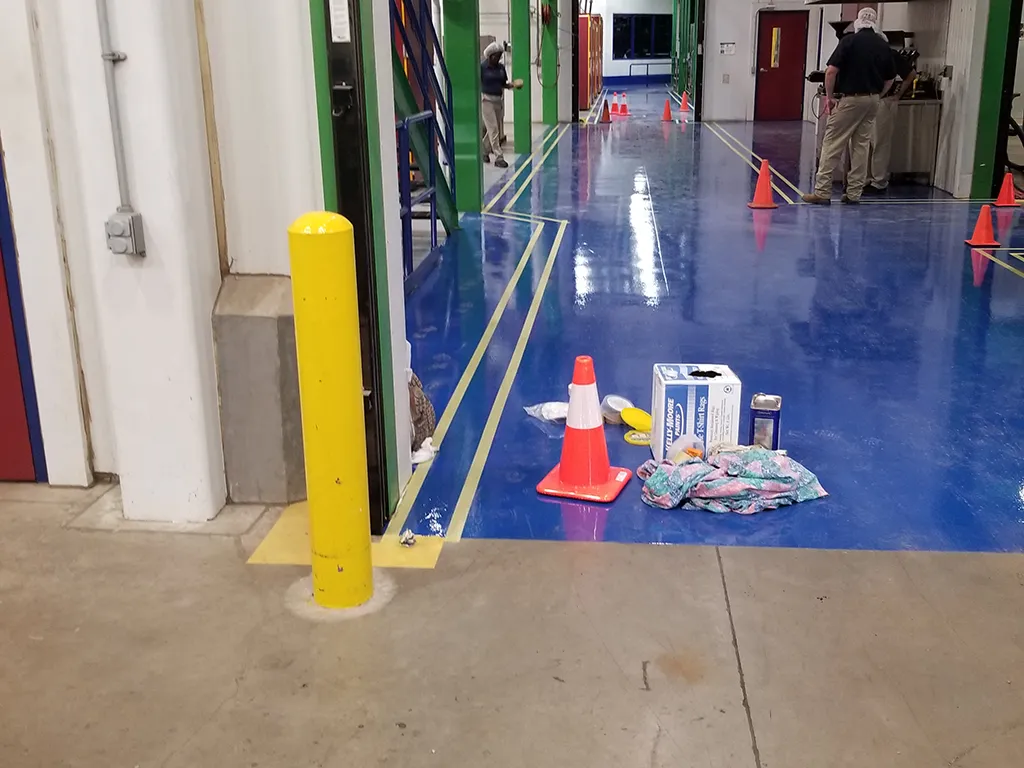
Mother Parkers Tea & Coffee Inc., a coffee roasting facility and distribution center in Fort Worth, Texas, was looking to restore the appearance of their pedestrian walkway after forklifts had damaged the epoxy coating. The existing floor had also begun to show signs of wear.
Mother Parkers Tea & Coffee Inc. contacted Advanced Painting Service for a solution to make their floor look new again.
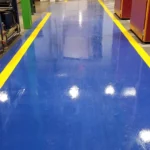
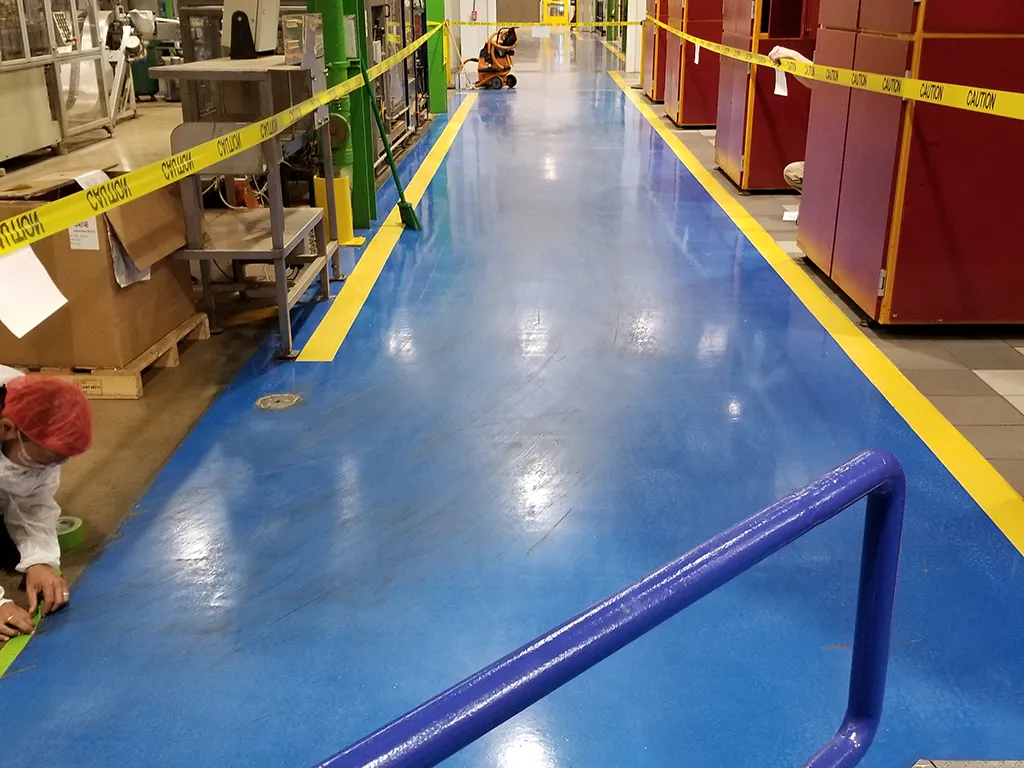
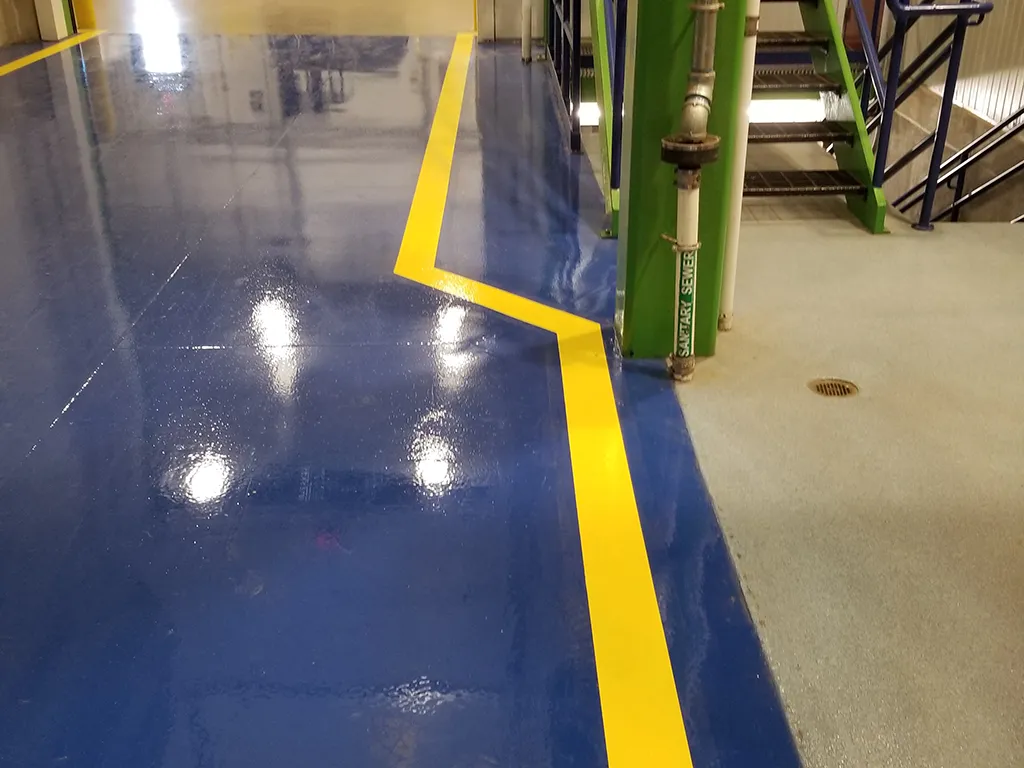
Advanced Painting Service repaired the scars in the existing epoxy floor and recoated the pedestrian walkway with Armorseal Rexthane 1 from Sherwin Williams, which is known for its durability and resistance to impact damage. They also installed new safety markings on the floor.
The Epoxy Floor Repair Steps Used
Each epoxy floor repair project is different, these are the steps that were used on this project.
- The epoxy walkway was vacuum sanded to a #100 profile with an OSHA Table 1 compliant HEPA system, and solvent cleaned.
- The concrete substrate was repaired with knife-grade epoxy.
- The epoxy pedestrian walkway was then recoated with two coats of Sherwin Williams Armorseal Rexthane 1.
- The walkway Safety markings were laid out and installed using Armorseal HS Polyurethane in Safety Yellow.
A long history of performance & trust
One of our long-time customers of 20+ years had some issues with the epoxy coating on the pedestrian walkway in their food-grade facility, the floor was beginning to show some signs of wear and had some damaged areas from forklift traffic. Advanced Painting Service was called in to provide the solution during normal plant operation hours, without causing any disruptions in plant operations. That’s always the right call to make as we specialize in performing our services in food & pharma-grade facilities during normal operations as well as during shutdown. We provide the solutions you need whenever you need them day or night.
Services & Equipment Used:
Industrial Floor Coating Services
Industrial Floor Safety Marking
Sub-Micron Vacuum & Filtration System
Why Proper Surface Preparation Matters for Epoxy Flooring
Before any new epoxy coating is applied, preparing the surface beneath is absolutely critical. Without the right groundwork, even the best resin flooring can fail prematurely.
Proper preparation ensures a strong bond between the floor and epoxy—if dust, grease, or previous coatings remain, the new finish simply won’t adhere as intended. Overlooking these early steps often leads to peeling, bubbling, or flaking, especially in areas exposed to heavy equipment and foot traffic like a busy food-grade facility.
In short, taking the time to sand, clean, and prep the concrete reliably extends the life and appearance of the finished floor. That’s why careful surface prep is at the core of every successful epoxy installation.
Maintaining Your Epoxy Floor
Keeping your epoxy floors looking their best doesn’t require anything fancy. For most day-to-day cleaning, regular mopping with water is all you need. On high-traffic walkways or areas that see coffee and tea spills, an occasional pass with a pH-neutral floor cleaner—such as Zep, Diversey, or Ecolab—will help maintain that like-new shine without damaging the coating.
If you run into heavier buildup, perhaps from oils or stubborn residues brought in by foot or forklift traffic, give the floor a deeper clean. Scrub the surface with a commercial-grade degreaser, then rinse thoroughly with water to remove any leftover cleaner. There’s no need for abrasive pads or harsh solvents; keeping your cleaning routine simple will go a long way in protecting both the appearance and the durability of your investment.
How to Maintain Epoxy and Resinous Floors
Keeping resinous or epoxy flooring in top shape is all about regular care. Routine sweeping and mopping remove dust and grit that can prematurely wear down the surface, especially in high-traffic facilities like Mother Parkers Tea & Coffee. To maintain the floor’s crisp appearance and maximize longevity, follow these simple steps:
- Daily Cleaning: Sweep or dry mop to clear away dust, dirt, and debris. This prevents particles from acting like sandpaper underfoot.
- Regular Mopping: Use a damp mop with a pH-neutral cleaner to keep surfaces looking fresh. Avoid acidic or abrasive cleaners that can dull the finish.
- Spot Cleaning: Address spills and stains promptly to avoid staining or sticky residues.
- Degreasing: For areas exposed to oils or food-grade contaminants, use a mild, non-abrasive degreaser as needed.
With these basic maintenance practices, your epoxy floors will retain their durability and shine, even in demanding environments.
Typical Epoxy Floor Coating Thickness
A common question we get is: “How thick is a standard epoxy or resinous floor coating?” While every project is unique and may call for a specific thickness based on traffic and use, most epoxy coatings are applied at anywhere from a thin 10 mils for light-duty spaces up to around 250 mils (or about 1/4 inch) for heavy-duty, industrial environments.
Here’s a quick reference:
- Light-duty coatings: 10–30 mils (good for decorative and foot traffic areas)
- Medium-duty: 40–125 mils (suitable for moderate equipment or cart traffic)
- Heavy-duty/industrial: 125–250 mils (ideal for areas with forklifts or frequent impact)
This flexibility in thickness is one of the reasons epoxy and other resinous systems are so popular for food processing, beverage, and pharmaceutical facilities—like the ones we specialize in. The right thickness offers the best balance of protection, longevity, and safety for your specific operation.
How Long Do Epoxy Floors Last?
When properly installed for the level of foot and equipment traffic in your facility, a high-quality epoxy floor can provide outstanding performance for 10 years or more. Factors like the specific formulation used, the number of coating layers, and site conditions all play a role in longevity.
That said, sometimes time constraints, budget considerations, or heavier-than-expected use can require some compromises during installation. In those cases, value engineering may result in a thinner system or a modified application process, which can affect how long your epoxy floor stays looking its best.
In general, with the right system matched to your operation’s needs—and timely repair of any damage—epoxy floors set the benchmark for both durability and food safety in demanding industrial settings.
We’re always happy to help you select the right flooring system so you can avoid premature wear and get the maximum return on your investment.
What Is Epoxy Flooring?
Epoxy flooring is a specialized type of surface coating created by mixing resin and hardener, which chemically bond to form a strong, seamless layer over concrete. This method is prized in commercial and industrial settings—think coffee roasters, tea factories, even brewery floors—because it delivers outstanding durability and a tough, easy-to-clean finish.
While epoxy is often the star player, the larger family of resinous floor coatings also includes options like polyurethane, methyl methacrylate (MMA), polyaspartic, and vinyl ester. Each one offers its own set of strengths and drawbacks, but epoxy’s reputation comes from its impressive adhesion, resistance to chemicals, and ability to stand up to rolling loads—qualities that make it a go-to choice for busy processing facilities.
Why Use Intermediate and Finish Coats in Epoxy Flooring?
Each layer in an epoxy flooring system serves a specific purpose to achieve a long-lasting, attractive finish. After preparing the base, the intermediate coat is applied to add body and strength to the floor. This layer is often built up with a resin mixed with aggregates—think of it as the “muscle” of the system, giving extra thickness and resilience to withstand foot and forklift traffic.
Once the surface has been reinforced, the finish coat comes into play. This top layer is designed to provide chemical resistance, UV protection, and the final touch in appearance. Whether you’re going for a smooth sheen, subtle texture, or a particular gloss level, the finish coat is what delivers the durable and attractive look you want. It seals everything in, protecting both the floor and the investment you’ve made in quality materials and workmanship.
How Much Does Epoxy Flooring Cost?
Epoxy flooring costs can vary quite a bit depending on the specifics of your project. Factors such as the number of coats applied, the total thickness you need, decorative choices, and the resin chemistry all play a role. For most commercial and industrial facilities, you’ll see prices range anywhere from $3 to $30 per square foot.
Here’s what contributes to the cost:
- System Type: Simple two-coat systems tend to be on the lower end of the scale, while thicker applications—like a 3/8” terrazzo floor—will come in higher.
- Design & Finishing Options: Custom color, quartz, or decorative flake blends add to the final price.
- Chemistry: Whether you’re using standard epoxy, high-performance polyurethanes, or specialty resins influences the price tag.
If you’re budgeting for a floor upgrade, it pays to determine the needs of your space and talk to an expert for a tailored estimate.
Why the Prime Coat Matters in Epoxy Flooring
Before diving into the color coats and safety markings, it’s important to highlight a crucial step: applying a prime coat. This initial layer does more than just sit beneath the surface—it plays a starring role in ensuring the whole system performs as it should.
A quality prime coat serves two key functions:
- Sealing the Surface: The primer acts like a barrier, preventing air or moisture trapped in the concrete from causing problems, like bubbles or voids, in the layers above.
- Bonding Everything Together: It effectively “glues” the subsequent epoxy coats to the concrete, helping the whole installation stick around for years to come.
Professional crews typically use tools like squeegees to spread the primer, pushing it into tiny pores and imperfections, and then follow up with rollers to make sure everything’s even and smooth. This detailed approach sets the stage for a resilient, long-lasting floor—just what a busy facility like Mother Parkers Tea & Coffee Inc. needs.
How Resinous Flooring Thickness Impacts Durability
When it comes to resinous flooring systems, thickness plays a big role in determining how long your floor will last and how well it stands up to daily abuse—especially in demanding environments like food and beverage facilities.
There are three main types of resinous flooring, each offering different levels of durability based on their thickness:
Coatings
These are the thinnest option (usually between 4–30 mils thick). Coatings are essentially pure resin with little to no fillers, which makes them ideal for light-duty areas where regular cleaning and minor traffic are the norm.Slurries
Slurries are a bit heavier, ranging from 30–250 mils thick. They incorporate aggregates (like quartz or sand) into the resin, providing a more robust surface that handles more wear and tear. Think of slurries as a solid middle ground for moderate to heavy foot and equipment traffic.Mortars
The heavyweight contenders. Mortars run from 125 mils up to and beyond 250 mils thick and pack in a high volume of aggregate. The added thickness makes mortar systems extremely tough, which is why they’re selected for areas exposed to intense physical or chemical abuse, such as under forklifts or in processing zones.
In summary:
The thicker the resinous flooring system, the greater its resistance to impacts, chemicals, abrasion, and other forms of abuse. Choosing the right thickness means matching the floor to the demands of your facility, ensuring safety, appearance, and a long service life.
Is Epoxy Flooring Cost-Effective?
When considering flooring options for your facility, it’s fair to wonder how epoxy compares to alternatives in terms of cost. The good news: epoxy flooring systems are among the most budget-friendly choices, especially over the long haul.
A properly specified and installed epoxy coating—using trusted names like Sherwin Williams, SIKA, or PPG—can actually drive down your ongoing maintenance and cleaning expenses by creating a seamless, durable surface that resists stains, abrasion, and chemical spills. Unlike tile or polished concrete, you won’t be battling with constant grout cleaning or needing frequent touch-ups from traffic wear.
What does this mean for your bottom line? Lower maintenance costs, extended lifespan, and fewer disruptions for repairs all add up to significant savings year after year. For facilities looking to maximize value without skimping on performance, epoxy flooring continues to be a smart investment.
What Are the Different Types of Resinous Flooring?
When it comes to resinous flooring systems, there are a few main types—each offering unique advantages depending on your facility’s needs and the amount of traffic or abuse the floor will encounter.
Here’s a quick breakdown:
Epoxy Coatings
These are thin applications of pure resin, sometimes with added texture for slip resistance or extra durability. Coatings are a good choice for areas where aesthetics and easy maintenance are priorities, and where heavy impact isn’t a primary concern.Slurries
Slurry systems blend resin with aggregates to create a thicker, flowable layer. This type enhances both durability and impact resistance, making it suitable for busy walkways or production zones where forklifts and carts are common.Mortar Systems
Mortars are the heavy-duty solution—packed with aggregates for a robust, highly impact-resistant finish. The “damp sand” consistency requires skilled installers, but the payoff is a flooring system that stands up to serious abuse, making it ideal for areas exposed to heavy machinery or continual high traffic.
In general, the thicker the resinous floor system you select, the more protection and longevity you can expect for your workspace. Each of these flooring types can be tailored to your specific environment, whether you’re looking to handle forklift traffic, chemical spills, or just want a floor that maintains its good looks for years to come.
Do Epoxy Floors Scratch Easily?
Epoxy floors are tough, but like any hard surface, they can get scratched—especially in high-traffic areas or where equipment like forklifts are in use. That said, there are ways to boost their resistance to scratching.
For added durability, we frequently apply a polyurethane topcoat over the epoxy. Polyurethane is well-regarded for its enhanced abrasion resistance, helping the floor hold up better against scuffs and scratches. If a project calls for even more protection, we’ll often mix in abrasion-resistant additives to further reinforce the finish.
This combination helps ensure the floor remains attractive and functional, even in demanding environments where daily wear and tear is a given.